


Procurement has become more connected, with purchasing decisions involving procurement, finance, IT, legal, business teams, and suppliers. As these stakeholders work across different processes and systems, organizations need a structured way to manage requests, approvals, supplier communication and purchasing activity.
Procurement collaboration tools bring these interactions into connected workflows, helping teams reduce manual follow-ups and improve visibility. Choosing the right platform, however, depends on more than the number of features. The following tools offer different approaches to procurement collaboration, automation, supplier management, and purchasing workflows.
Key Takeaways
- Procurement collaboration platforms connect procurement with finance, IT, legal, operations and suppliers.
- Centralized workflows can reduce fragmented communication and improve visibility into purchasing activities.
- Supplier portals can simplify onboarding, document exchange and ongoing supplier communication.
- Workflow automation helps route requests, approvals and supplier tasks to the right stakeholders.
- ERP and accounting integrations are important for keeping procurement and financial data connected.
- The right platform depends on procurement complexity, supplier requirements, existing systems and business priorities.
- Procurement teams should measure improvements through approval time, purchase cycle time, supplier response time, process adoption and compliance.
What Are Procurement Collaboration Tools?
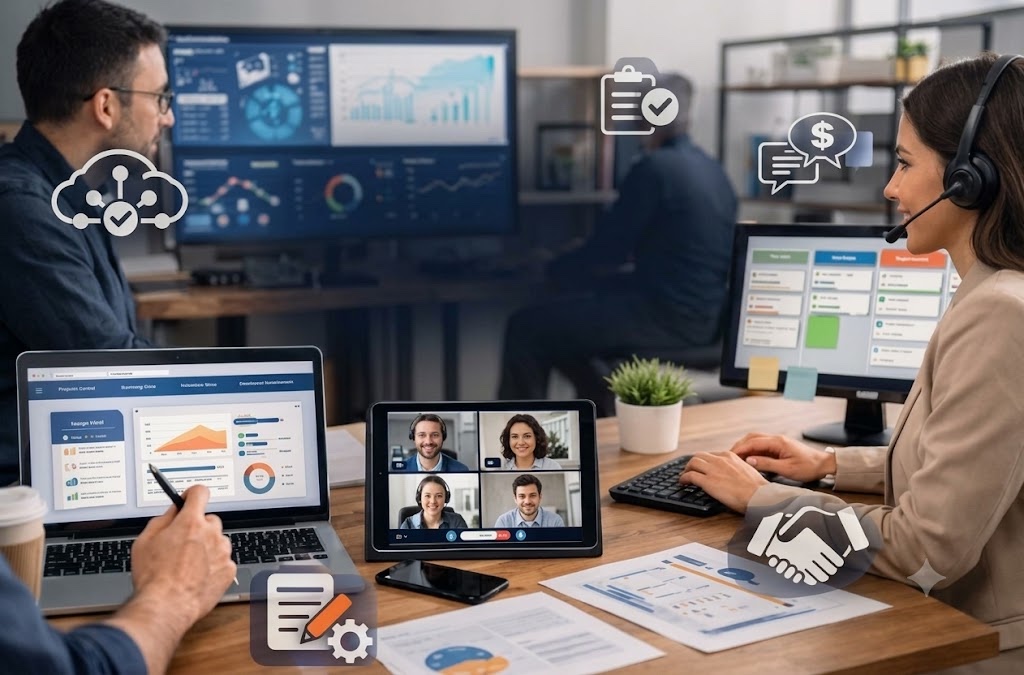
Procurement collaboration tools are digital platforms that connect procurement teams, business stakeholders and suppliers throughout the purchasing process. They bring requests, approvals, supplier information, documents, purchase orders and related communication into one structured workflow.
This reduces reliance on scattered emails, spreadsheets and manual follow-ups. Collaboration also helps teams such as finance, IT, legal and operations contribute at the right stages without losing visibility into the process.
Streamline your procurement process to minimize spend and maximize efficiency

Why Does Procurement Collaboration Matter?
Procurement becomes harder to manage when information is scattered across systems. A requester may have one version of a requirement, procurement may have a supplier quotation in a spreadsheet, and finance may have a different view of the available budget.
This fragmentation can create several operational problems.
Faster Approvals
Automated approval workflows can route purchase requests according to predefined rules. A request can be sent to the finance, information technology, legal or procurement stakeholders depending on the spending amount, spending category, department or risk.
This reduces the need for procurement teams to manually identify approvers and send reminders.
Better Visibility
Centralized procurement records give stakeholders a clearer view of request status, pending actions, supplier information and purchasing activity.
Instead of asking procurement for an update, a stakeholder can check the workflow and identify the next step.
Less Manual Work
Procurement teams often spend significant time collecting information, checking documents, following up with stakeholders and updating records.
Automation can handle many repetitive activities while leaving decisions that require commercial or business judgment to people.
More Consistent Supplier Communication
Supplier interactions often involve onboarding forms, certifications, quotations, contracts, purchase orders and performance information.
A structured process can make it easier to keep these records together and reduce the risk of important information becoming buried in individual inboxes.
Stronger Compliance
Procurement collaboration is also connected to governance. Approval histories, supplier records and workflow activity can create an audit trail that shows how a purchasing decision progressed.
This can help procurement teams demonstrate that purchases followed internal policies and approval requirements.
10 Best Procurement Collaboration Tools
The market includes platforms with very different approaches. Some concentrate on procurement intake and orchestration, while others cover broader Source-to-Pay, supplier management, or business spend management requirements.
The following platforms can be evaluated based on their capabilities and the type of procurement environment they support, and our roundup of the best procurement software covers the wider category.
1. Zapro AI
Zapro AI provides an AI-powered procurement platform covering activities from purchase requests and approvals through vendor management, contracts, spend analytics and invoice processing.
Its procurement platform includes automated requisitioning, smart approval routing, a centralized vendor database, spend analytics, three-way invoice matching and compliance tracking. Zapro AI also provides ERP and accounting integrations to keep procurement information connected with other business systems.
This makes Zapro AI relevant for organizations that want procurement collaboration to be part of a broader automated purchasing workflow rather than a standalone communication layer.
The platform also supports supplier onboarding, performance tracking and compliance workflows. Its vendor management capabilities are designed to centralize supplier information and automate recurring tasks across the supplier lifecycle.
Best suited for: Organizations looking to connect procurement automation, vendor management, spend visibility and cross-functional workflows in one platform.
Key capabilities include:
- Automated purchase requisitions
- Approval routing
- Vendor onboarding
- Vendor management
- Spend analytics
- Contract management
- AP automation
- Three-way invoice matching
- ERP integrations
- Supplier performance tracking
Zapro AI also offers ready-to-run procurement and supplier workflows for processes such as purchase requisitions, RFP management, vendor onboarding and supplier relationship management. This can be useful for teams that want to standardize workflows without building every process from scratch.
2. Spendflo
Spendflo focuses on procurement orchestration, with particular emphasis on SaaS and indirect procurement.
Its platform brings procurement intake, approvals, vendor management and contract workflows into a centralized environment. Spendflo also integrates procurement workflows with collaboration environments such as Slack and Microsoft Teams.
A major focus is reducing the administrative work involved in software purchasing and vendor management. Its platform includes intake-to-procure automation, approval orchestration, contract intelligence and vendor management capabilities.
Best suited for: Organizations with significant SaaS or indirect procurement activity that want to connect purchasing workflows with existing collaboration channels.
3. Precoro
Precoro provides procurement software focused on purchasing workflows, approvals, purchase orders, supplier management and spend control.
Its supplier management functionality helps centralize supplier information and documents while connecting supplier activities with procurement workflows.
The platform can be relevant for teams that need to standardize purchasing processes without implementing a highly complex enterprise Source-to-Pay suite.
Best suited for: Small and mid-sized organizations seeking structured purchasing, approval and supplier workflows.
4. Coupa
Coupa takes a broader Business Spend Management approach. Rather than focusing only on procurement collaboration, it connects purchasing with wider organizational spending processes.
Its platform covers areas such as procurement, supplier management, invoicing and spend visibility. This broader scope can be useful when procurement needs to work closely with finance and other functions around organizational spending.
Best suited for: Organizations looking for a broader spend management environment with procurement at its core.
5. Ivalua
Ivalua provides a Source-to-Pay platform covering sourcing, supplier management, contracts, purchasing and related procurement processes.
The platform is designed for organizations where supplier information needs to connect with sourcing, contracting and purchasing activities.
This approach can be relevant when collaboration extends beyond supplier communication into supplier qualification, performance, risk and lifecycle management.
Best suited for: Enterprises with complex procurement processes and extensive supplier management requirements.
6. SAP Ariba
SAP Ariba combines procurement capabilities with supplier collaboration through the SAP Business Network ecosystem.
Its collaborative requisition functionality allows buyers to engage suppliers during the requisition process. Suppliers can respond to requests, provide proposals and exchange information before an order is finalized.
SAP also provides supplier lifecycle capabilities covering areas such as supplier registration, qualification and performance.
Best suited for: Organizations with complex supplier networks, particularly those already operating within the SAP ecosystem.
7. Procurify
Procurify focuses on spend management and purchasing workflows. Its platform connects purchase requests, approvals, purchase orders and related financial processes.
The platform also supports in-process communication around purchasing requests, allowing stakeholders to discuss transactions within the workflow rather than depending entirely on separate email threads.
Best suited for: Growing organizations that need greater control over employee purchasing, approvals and spend visibility.
8. JAGGAER
JAGGAER provides Source-to-Pay capabilities covering sourcing, supplier management, purchasing and spend-related processes.
Its broader procurement scope makes it relevant for organizations where collaboration needs to span sourcing teams, suppliers, finance and other stakeholders.
Best suited for: Organizations with complex sourcing and procurement requirements.
9. Zip
Zip focuses heavily on procurement intake and orchestration. Its approach creates a structured entry point for employees who need to make purchases and routes those requests through relevant workflows.
This can help organizations address a common procurement problem: employees not knowing where to start or which stakeholders need to approve a purchase.
Best suited for: Organizations where fragmented intake and approval processes are major procurement challenges.
10. Order.co
Order.co connects procurement, vendor management, accounts payable and spend management in a centralized platform.
It supports purchase requisitions, approval workflows, PO management, order tracking, automated payments, invoice processing, and three-way matching, while integrating purchasing data with accounting systems.
Best suited for: Organizations seeking to centralize purchasing, strengthen spend controls and connect procurement with AP processes.

Organizations that leverage digital procurement tools see a 30% reduction in procurement costs.
– Deloitte
How to Choose the Best Procurement Collaboration Tools?
The best procurement collaboration tools for one organization may not be suitable for another. The right choice depends on the complexity of the procurement process, the number of stakeholders involved, supplier requirements and existing technology.
Start With the Current Process
Map the complete journey from purchase request to payment.
Identify every manual handoff, spreadsheet, approval and system involved.
Define the Collaboration Problem
Determine whether the biggest issue is slow approvals, poor supplier communication, scattered information, limited spend visibility or disconnected systems.
This makes it easier to evaluate platforms against real requirements. Factor in total cost as well, for example by comparing subscription models such as Zapro pricing against the workflows you actually need.
Consider Supplier Participation
Assess how much interaction suppliers need with the platform. Basic information sharing may require only a simple portal, while sourcing, onboarding, performance tracking and ongoing communication may require comprehensive supplier collaboration tools.
A connected supplier record can manage documents, certifications, compliance, performance and contracts throughout the relationship, creating continuity across the supplier lifecycle.
Review Integration Requirements
Procurement rarely operates alone. The selected platform may need to connect with ERP, accounting, AP, contract management, HR, identity management or collaboration applications.
For example, Zapro provides integrations intended to synchronize supplier, purchase order and invoice information with ERP and accounting systems.
Evaluate Adoption
A technically capable platform will not deliver value if employees avoid using it.
Consider how easily employees can submit requests, track status and complete approvals. Supplier experience matters too.
Establish Measurable KPIs
Set baseline measurements before implementation.
Useful procurement collaboration metrics include:
| KPIs | Purpose |
|---|---|
| Approval cycle time | Measures approval speed |
| Purchase cycle time | Measures overall purchasing efficiency |
| Supplier onboarding time | Measures onboarding efficiency |
| Supplier response time | Measures communication speed |
| Process adoption | Measures use of approved workflows |
| Manual intervention rate | Measures automation effectiveness |
| Contract compliance | Measures adherence to negotiated terms |
| Supplier performance | Tracks delivery, quality and service |
How Does Supplier Collaboration Software Support Team Efficiency?
The value of supplier collaboration software is not limited to communication with suppliers. It can also reduce internal coordination work.
Consider a supplier onboarding process involving procurement, finance, legal and the supplier itself.
Without a structured workflow, procurement may need to:
- Request supplier documents by email.
- Forward documents to finance.
- Ask legal to review specific information.
- Follow up with the supplier about missing documents.
- Update the supplier record manually.
- Notify the relevant teams when onboarding is complete.
An automated workflow can route each task to the appropriate person and notify stakeholders when an action is required.
That reduces the number of manual handoffs without removing human oversight.
Connecting Procurement With the Wider Supply Chain
Procurement decisions can directly affect operations. A supplier delay can affect inventory. A quality issue can create additional costs. A change in supplier capacity can require purchasing teams to identify alternatives.
For this reason, supply chain collaboration tools can become useful when procurement needs to coordinate supplier information with operational teams.
The most useful workflows connect purchasing information with relevant operational data rather than keeping procurement in isolation.
For example, a procurement team managing a manufacturing supplier may need visibility into delivery performance, purchase orders, inventory requirements and quality results. Shared information can help stakeholders respond to issues before they become larger operational problems.
How Does Automation Change Supplier Management?
Supplier management often involves repetitive tasks such as data entry, document collection, compliance tracking and renewal follow-ups. Automation can shorten onboarding cycles, reduce manual errors, prevent missed deadlines and improve supplier response times through automated reminders and approval routing.
Supplier management automation tools also create consistent workflows and audit trails while allowing procurement teams to retain control over negotiations, risk assessments and strategic supplier decisions.
The main goal is to automate coordination while keeping important decisions under human control.
What Does the Future of Procurement Collaboration Look Like?
The future of procurement collaboration is moving toward connected workflows powered by AI and automation. Advanced procurement collaboration software can help teams extract information from documents, classify spend, monitor suppliers, route approvals, analyze contracts and identify exceptions.
These capabilities reduce repetitive coordination while keeping important decisions with procurement professionals. AI can summarize supplier documents, surface relevant data and flag potential risks, allowing teams to review findings based on business requirements, procurement policies and supplier risk.
As organizations manage larger supplier networks, procurement collaboration software can create more efficient workflows, improve visibility and support scalable collaboration without adding unnecessary manual work.
Ready to Simplify Procurement Collaboration?
Zapro AI helps procurement teams automate workflows, manage suppliers, improve spend visibility and connect purchasing activities across the organization. Explore Zapro AI to see how a more connected procurement process can support faster, more efficient purchasing.

End-to-end procurement software to minimize spend and maximize efficiency
Frequently Asked Questions
What are procurement collaboration tools?
Procurement collaboration tools are software platforms that help procurement teams coordinate requests, approvals, supplier interactions, documents and purchasing activities through connected workflows.
How do procurement collaboration tools improve efficiency?
Procurement collaboration tools improve efficiency by centralizing requests, approvals, supplier information and communication in one workflow. They automate routine tasks, reduce manual follow-ups, speed up approvals and give stakeholders real-time visibility into procurement activities and pending actions.
What features should a procurement collaboration platform have?
The features of procurement collaboration platform include centralized procurement intake, automated approval workflows, supplier management, document storage, real-time notifications, audit trails, reporting and integrations with ERP, accounting and other business systems.
What is the role of supplier collaboration in procurement?
Supplier collaboration helps procurement teams exchange information, collect documents, manage onboarding, coordinate orders and monitor supplier performance through a structured process.
Does supplier collaboration software replace email?
It can reduce the need for email-based procurement communication, particularly for structured activities such as onboarding, document collection, approvals and supplier requests. Email may still be useful for informal or external communication.
Can procurement collaboration platforms integrate with ERP systems?
Yes. Procurement collaboration platforms can integrate with ERP systems to connect purchasing, supplier and financial data across business processes. However, supported systems and integration depth vary by provider.
What are supplier management automation tools used for?
Supplier management automation tools can automate repetitive activities such as supplier onboarding, document collection, compliance reminders, assessments, performance reviews and recurring supplier workflows.
How can a company select a procurement collaboration platform?
Start by mapping the existing procurement process and identifying its biggest collaboration problems. Then compare platforms based on required workflows, supplier needs, integrations, user experience, automation capabilities and measurable business outcomes.
References
- Gartner. “Supplier Relationship Management Best Practices.” https://www.gartner.com/en/supply-chain/topics/supplier-relationship-management
- Gartner. “Gartner Says Chief Procurement Officers Should Treat AI as a Dedicated Category Management Domain.” August 18, 2026. https://www.gartner.com/en/newsroom/press-releases/2026-08-18-gartner-says-chief-procurement-officers-should-treat-ai-as-a-dedicated-category-management-domain
- Gartner. “Successful Sourcing and Procurement: Key Strategies & Steps” (2023 Gartner Procurement Functional Transformation Survey). https://www.gartner.com/en/supply-chain/topics/sourcing-and-procurement
- McKinsey & Company. “Next generation operating model in procurement.” https://www.mckinsey.com/capabilities/operations/our-insights/where-procurement-is-going-next
- Deloitte. “The Future of Procurement in the Age of Digital Supply Networks” (2017). https://www.gartner.com/en/supply-chain/topics/sourcing-and-procurement
Don’t miss our weekly updates
We’ll email you 1-3 times per week—and never share your information.
Ready to Transform Your Procurement Process? Let’s Talk.
Get expert help to streamline and upgrade your procurement strategy.

About the Author

Md. Kafil


About the Reviewer

Zapro is dedicated to helping businesses of all sizes make informed decisions. We adhere to strict editorial guidelines to ensure that our content meets and maintains our high standards.
Our editorial standards help keep every article accurate, useful, and trustworthy.