


OCR contract management uses AI-powered text recognition to convert paper and PDF contracts into searchable, structured data, extracting key fields like parties, dates, and payment terms into a queryable repository.
OCR contract management uses AI-powered optical character recognition and text recognition to convert paper and PDF contracts into searchable, structured data, extracting key fields like parties, dates, and payment terms into a queryable, trackable repository.
In today’s world, data is the most precious asset. However, for most organizations, their vital data gets stuck inside the static PDFs, scanned images, and physical papers. This is what makes OCR contract management a revolutionary solution. It allows companies to convert the non-searchable text into high-quality, actionable data, so they’ll no longer have to rely on manual filing systems and can finally have fully automated, intelligent legal operations.
What Is OCR in Contract Management?
OCR stands for Optical Character Recognition. It’s a tool that can convert various types of documents, such as paper documents that have been scanned, PDFs, or even pictures taken with digital cameras, into data that can be edited and searched.
In terms of a contract management software system, OCR is what makes it possible to digitize the existing contracts. It is given a “flat” picture of the contract and it detects each individual letter and number, puts the words back together, and gets familiar with the document’s layout. This is the very first step in understanding how to manage contracts digitally.

Poor contract management can quietly chip away at your bottom line—costing organizations an average of 9% of their annual revenue.
How OCR Technology Reads and Extracts Contract Data
When a contract is scanned and uploaded, the OCR tool checks the images’ black and white areas to find the letters and numbers. When the text is identified, the software may then organize it. One of its abilities is to recognize the date format (MM/DD/YYYY) or a currency symbol followed by numbers to identify the contract value.
The Difference Between Basic OCR and AI-Powered OCR
It is essential to understand that there are two levels of technology currently available:
- Basic OCR: It is similar to a digital photocopier. It identifies the text so you can search for a word using “Ctrl+F”, but the text is not “understood” by the system.
- AI-Powered OCR (AI Contract Data Extraction): It is based on machine learning and understands context. It doesn’t just recognize the word “Term”; it realizes that the date next to it is the expiration date and can even schedule that in your calendar or database.
Learn about How Machine Learning Is Transforming Contract Management
Why Businesses Need OCR for Contract Management
The Problem with Manual Data Entry in Contracts
Manual data entry is the “silent killer” of productivity. When a legal or procurement team has to manually type contract details into a spreadsheet, it leads to two major issues: human error and data fatigue. A single typo in an expiration date can lead to an unwanted million-dollar auto-renewal.
How OCR Eliminates Errors and Speeds Up Processing
Using OCR document management software means that the first phase of data capturing is done without the intervention of a human. Software, unlike humans, does not get tired or skip lines. Automation of the contract’s “reading” leads to a reduction in the amount of time spent on administrative intake, from a few hours to just a few seconds. When OCR feeds into procurement software, extracted contract terms can be compared with purchase orders and invoices without a second round of typing.
Cost and Time Savings with Automated Data Capture
The benefits of using digital contract data capture are noticeable from the get go. Legal professionals are freed from performing low-level data entry tasks and, as a result, have more time to focus on strategic negotiation and risk mitigation. Besides, the ability to rapidly search your entire contract library for a particular clause (such as “force majeure” in the case of a global crisis) is an advantage that manual systems simply cannot provide.
Turn Paper Contracts Into Powerful Data — Today

How OCR Works in a Contract Management System
Below is the typical processing flow that converts the paper document into a smart digital asset:
- Scanning and Digitizing: Paper contracts are converted into digital form through scanning. Thanks to advanced OCR technology, contract document processing is possible even with low-quality scans or photos taken with mobile phones.
- Field Extraction: Important fields such as party names, effective date, governing law, and key clauses are recognized by the system.
- Indexing and Storage: Extraction of text is followed by indexing. Basically, the entire contract becomes a “search term” in your digital repository, so finding the contract is no harder than using a search engine.
Key Features to Look for in OCR Contract Management Software
Since you will find multiple OCR tools on the market, select the one with the following features:
- Accuracy and Multi-Language Support: The most powerful software is one that can manage different types of layouts and languages, especially for complex supply chains that span countries.
- Integration with CLM Tools: An OCR solution should not be standalone software; it has to directly supply data to your Contract Lifecycle Management system.
- AI and Machine Learning Enhancements: It is necessary for the software to be able to “learn” new terms specific to your industry, which will lead to better extracting performance over time.
How to Implement OCR in Your Process
1. Auditing Your Existing Repository
Before starting the software, determine where your “dark data” is located. Are they in physical boxes? On local hard drives? Knowing the quantity of old contracts will assist you in picking a product with the appropriate capacity. Comparing Zapro AI pricing and other vendors’ plans against that contract volume helps narrow the shortlist to tools sized for your backlog.
2. Choosing the Right OCR Software for Contracts
Go for a company that not only gives you basic character recognition but also uses AI contract data extraction. After all, structured data (e.g., a table of dates and values) is what you want and not just a searchable PDF.
3. Training and Workflow Setup
Even the smartest AI needs a “human-in-the-loop” at first. You need to establish a process where a human is the first one who checks the AI’s decisions. That way, the system gets tuned to your particular contract formats.
OCR Contract Management Best Practices
- Maintain Data Quality: Make sure that the scanned images are as sharp as they can be. Although modern OCR is quite powerful, a bad-quality scan might still cause “noise” in the data.
- Set Up Validation Rules: Develop rules that will point out mistakes—for example, if an “Effective Date” is set for the year 2099, the system should present it to a human for confirmation.
- Regular System Audits: Check the accuracy of the extraction on occasion by comparing the data against the original documents. This is to ensure that the software keeps producing quality results.

Your Contract Archive Shouldn’t Be a Black Box
With Zapro, every scanned contract becomes structured, searchable, and manageable. Get started for free and bring your contract data into the light.
Frequently Asked Questions
What is OCR in contract management?
It is a technology that converts scanned images of contracts and non-searchable PDFs into machine-readable and searchable text, allowing for automated data analysis.
How does OCR improve contract data extraction?
It eliminates the need for manual typing. By “reading” the document automatically, it identifies and pulls out key information like dates, names, and financial terms with much higher speed and consistency than a human.
What is the difference between basic OCR and AI-powered OCR for contracts?
Basic OCR just gives you searchable text. AI-powered OCR understands the meaning of the text, allowing it to categorize data (e.g., recognizing that a specific paragraph is a “Liability Clause”).
Can OCR handle handwritten or scanned paper contracts?
Yes. Modern OCR software for contracts is highly sophisticated and can handle many types of handwriting and old, faded paper scans, though the accuracy is always highest with printed text.
How do I choose the right OCR software for contract management?
Look for accuracy, the ability to integrate with your current systems (like ERP or CRM), and the use of AI to ensure the software gets smarter over time.
Conclusion
Today, digitizing your contracts is not a matter of if, but rather a matter of how quickly you can do it. It’s OCR contract management that provides the backbone technology for the digital transformation. Getting your non-digital and static documents converted into searchable, intelligent data means that you prevent your company from getting into trouble, save a lot of hours of manual labor, and even turn your legal department into a source of strategic insight. A procurement software demo is a practical way to check how extracted contract data appears in your own workflow before rollout.
Don’t miss our weekly updates
We’ll email you 1-3 times per week—and never share your information.
Not Sure How to Digitize Your Contract Backlog?
Whether you have hundreds or thousands of legacy contracts, our Zapro specialists will help you build the right OCR digitization plan fast, scalable, and tailored to your workflow.

About the Author

Md. Kafil


About the Reviewer

Zapro is dedicated to helping businesses of all sizes make informed decisions. We adhere to strict editorial guidelines to ensure that our content meets and maintains our high standards.
Our editorial standards help keep every article accurate, useful, and trustworthy.
Related Blogs

Contract Management Suite: Complete CLM Guide
SaaS Contract Management: Subscriptions, Renewals & Vendor Agreements
Agreement vs Contract: Key Differences & Examples
Wait! Don't Leave Without This Free Guide
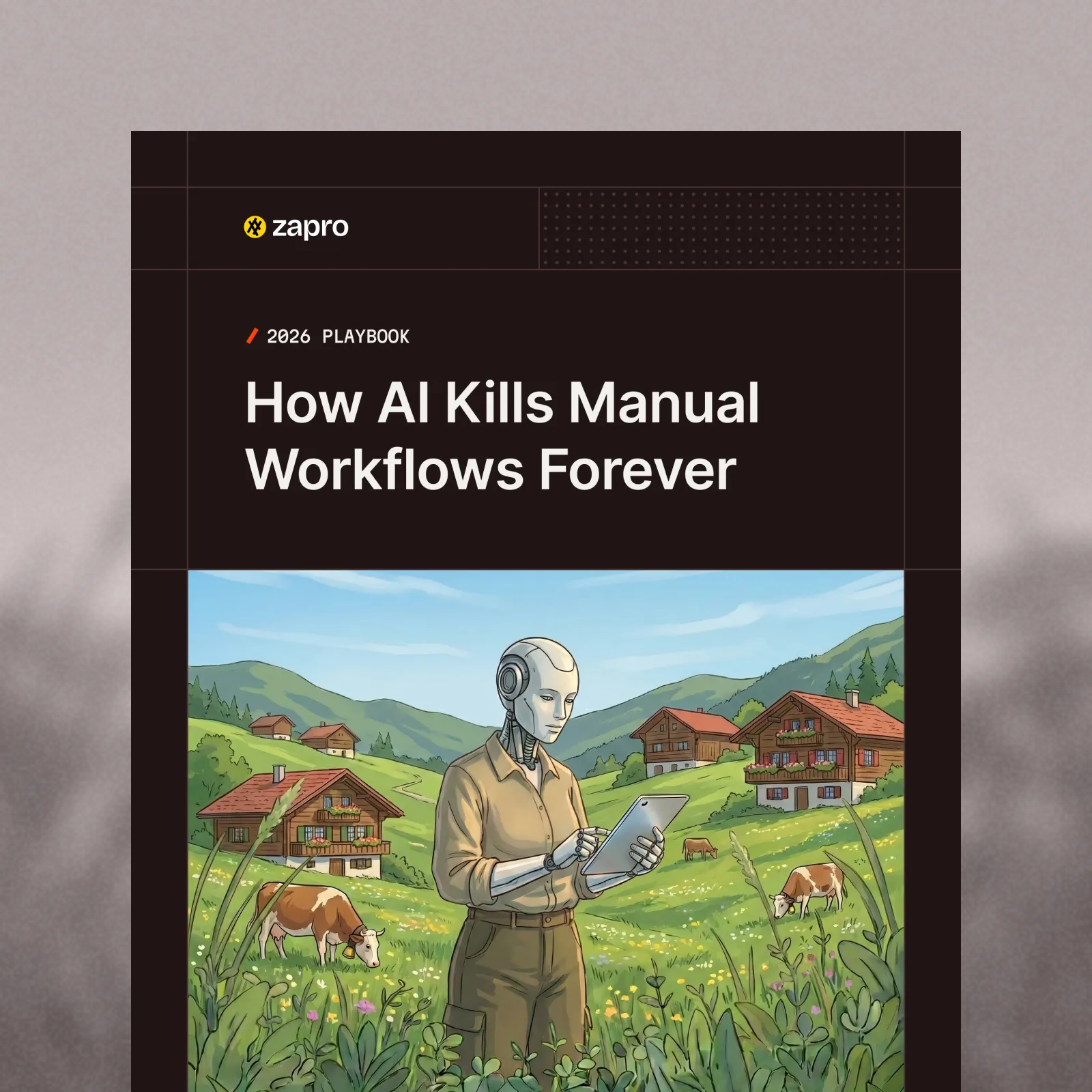
How AI Is Replacing Manual Procurement And What Your Team Should Do Next